
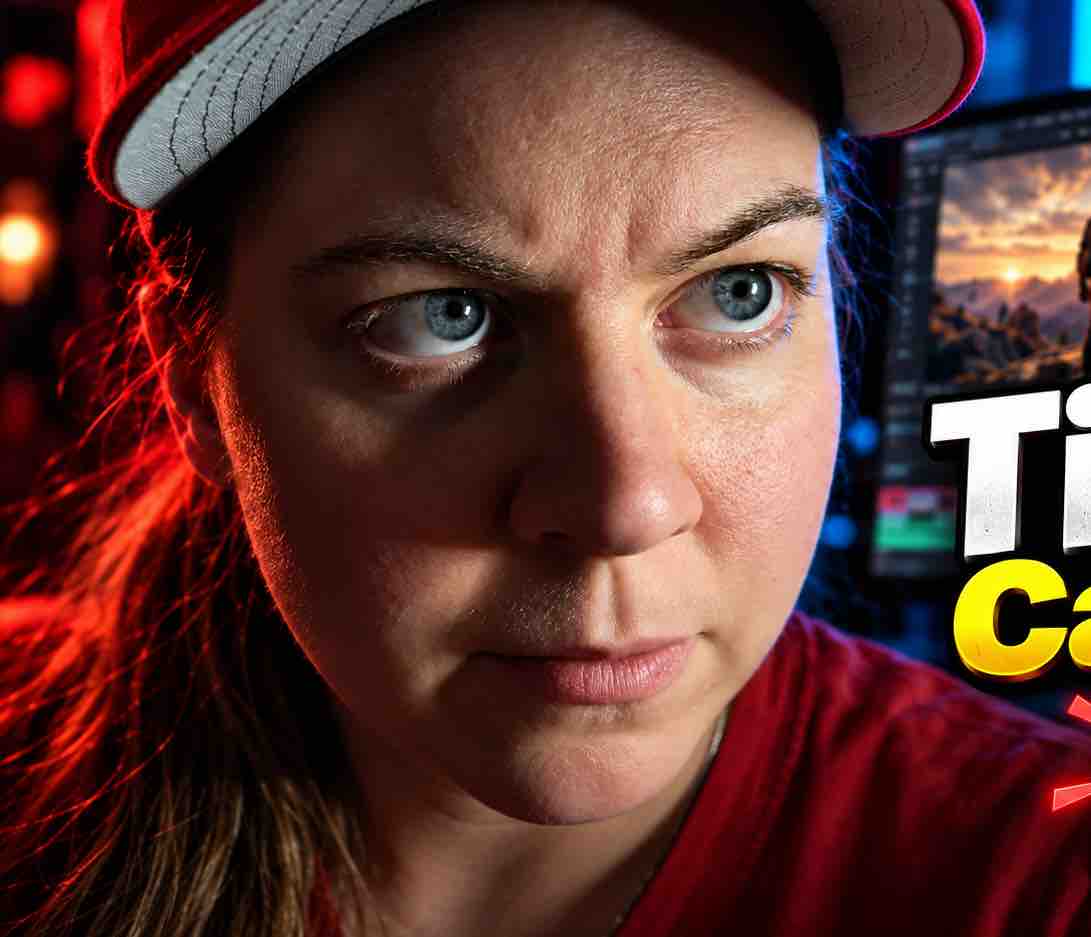
The rise of artificial intelligence has introduced a bizarre and frustrating paradox for content creators. Instead of just worrying about AI-generated synthetic media taking over feeds, real human professionals are now facing an unexpected penalty: their authentic work is being flagged and mislabeled as AI simply because it looks “too good”.
When a platform automatically assumes your professional craftsmanship is fake, it does more than just hurt your feelings—it destroys your credibility, blocks your client growth, and punishes you for having actual experience. Is this the future we’re headed to?
The Trap of Looking “Too Good”
With over 15 years of experience as a videographer and filmmaker, being the best media trainer in filming and editing in the world, creating high-end content is a matter of routine for me. However, putting together a simple 1-hour tutorial on phone-based cinematic lighting using household lamps and exposure tricks can backfire entirely.
-
After uploading a meticulously color-graded and set-up tutorial to TikTok, the platform slapped an “AI-generated content” label on it.
-
Even after a successful initial appeal where the label was removed, the system reinstated the label within an hour, subsequently failing a second appeal for violating community guidelines.
-
This creates a devastating bottleneck: potential clients and viewers scroll past immediately, assuming the tutorial is just lazy, prompt-based AI content rather than a legitimate masterclass.
Why False AI Labels Are Dangerous for Videographers
Automated moderation tools are failing to distinguish between human skill and machine generation, creating unique downstream consequences for creators:
-
Erosion of Credibility: When platforms label real human tutorials as AI, it invalidates a decade-and-a-half of hard-earned industry expertise.
-
Loss of Business Opportunities: Viewers looking for genuine education quickly lose trust when they believe a creator is misrepresenting synthetic content as real-world tutorials.
-
The Algorithmic Paradox: Creators who actually use their brains, cameras, and physical lighting equipment are being penalized just because their production quality crosses an arbitrary threshold of cleanliness.
How Creators Can Fight Back
If platforms are going to glitch and mislabel authentic craftsmanship, creators must adapt their distribution strategies to protect their authority and client pipelines:
-
Diversify to Platforms Like YouTube: Unlike short-form feeds with heavy-handed and opaque automated flags, long-form platforms offer better environments to thoroughly demonstrate the physical, behind-the-scenes breakdown of a shoot.
-
Publish Step-by-Step Blog Content: Backing up video content with written tutorials on a personal website or blog ensures there is tangible proof of the actual process used to create a shot.
-
Build a Distinct Personal Brand: Cultivate an audience that recognizes your face, voice, and unique style so strongly that even if an algorithm mislabels a video, your community knows the truth.
Final Thoughts
The intersection of human skill and automated AI detection is currently broken. When basic filmmaking 101 techniques get flagged as synthetic generation, it forces creators to rethink how and where they build their digital presence.
If you need help with building your brand get in touch with me.
Comments are closed